
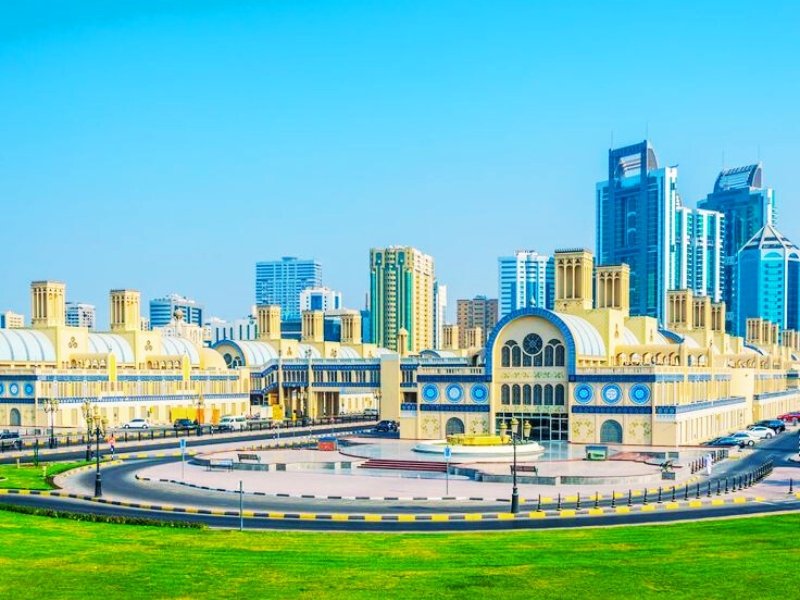
Weather, crowds, value, events and activity planning
Which Season Is Best for Visiting Sharjah? Complete Guide
November to March is the best all-round season for visiting Sharjah. The weather is generally more comfortable for heritage walks, lagoon evenings, beaches, wildlife attractions, desert landscapes and east-coast road trips.
That simple answer is useful, but it is not the whole story. October and April can offer a good balance of warmth and value, while summer can still work for travellers who plan around air-conditioned museums and short evening outings. This guide explains what every season feels like, the best months for different interests and how to build a realistic Sharjah itinerary.
The Short Answer
Choose November through March for the easiest overall trip. Pick December, January or February if cool outdoor weather matters most. Consider October, early April or late April if you accept warmer afternoons in return for a possible shoulder-season advantage. From May through September, organise the day around indoor attractions, air-conditioned transport and evening activities.
Sharjah Seasons at a Glance
Understanding Sharjah’s Climate Before You Choose a Month
Sharjah is sunny and warm for most of the year, but the difference between winter and summer changes what a visitor can comfortably do. Sharjah’s official tourism information describes summer temperatures as reaching roughly 40°C to 48°C, while winter generally sits in a much more comfortable range of about 13°C to 30°C. These are broad seasonal ranges rather than a promise for a particular day. Humidity, wind, cloud, rain and the exact location within the emirate all affect how the weather feels.
Sharjah is also more geographically varied than many first-time visitors realise. Sharjah City and Al Khan face the Arabian Gulf. Mleiha and central areas have desert landscapes. Khorfakkan and Kalba sit on the east coast beside the Hajar Mountains and Gulf of Oman. A beach morning in Khorfakkan, a wildlife visit inland and an evening beside Khalid Lagoon do not feel identical, even on the same date.
The practical question is not simply, “Will it be sunny?” It usually will be. The better question is, “How many hours can I comfortably spend outside?” Winter supports long walking days. In shoulder months, outdoor activities are better in the morning and evening. During summer, a good plan may involve a short transfer from an air-conditioned vehicle to an indoor venue, followed by dinner or a waterfront stop after sunset.
Important: Check the short-range forecast before every outdoor plan. Dust, strong wind, unusual rain, rough sea conditions or extreme heat can affect desert trips, boating, hiking, beaches and wildlife experiences even during a normally suitable season.
Winter in Sharjah: November to March
Winter is the easiest season for a first visit because it allows the widest range of activities in one itinerary. Mornings can be used for heritage areas and museums, afternoons for nature or a beach, and evenings for lagoons, outdoor dining and illuminated architecture. You still need sun protection and water, but you are less dependent on moving from one air-conditioned space to another.
Why Winter Is the Best Overall Choice
Many of Sharjah’s most memorable places involve time outdoors. Heart of Sharjah is best understood on foot. Al Noor Mosque, the Central Souk and lagoon skyline reward slow photography. Al Majaz and Al Qasba become more inviting when a visitor can sit outside. Desert and wildlife destinations also require time in open vehicles, walking areas or exposed viewing spaces.
A structured Sharjah City Tour is particularly comfortable in these months because moving between heritage, mosque, souk and waterfront stops is less tiring. Before booking, check whether each attraction is an entry visit, an exterior view or a photo stop, and confirm the pickup area and total duration.
November
November is an excellent transition month. The strongest summer heat has usually eased, evenings are pleasant and the cultural calendar becomes busier. It suits travellers who want outdoor dining and waterfront walks but prefer slightly warmer conditions than midwinter. Popular weekends and major event dates can bring heavier traffic and stronger accommodation demand.
December and January
These are usually the most comfortable months for full outdoor days. They suit families, older visitors, photographers and travellers planning multiple neighbourhoods. Light layers are useful after sunset or on breezy east-coast mornings. This is also a popular travel period, so better weather may come with busier attractions and higher hotel demand around school holidays and year-end celebrations.
February and March
February remains a strong outdoor month and often brings significant cultural programming. March is usually comfortable early in the month, then becomes warmer as spring develops. Travellers who want winter-style sightseeing with fewer year-end holiday pressures may find this period appealing, although exact event dates and school breaks should be checked.
Best Winter Experiences
Plan an evening at Al Majaz Waterfront when the promenade, lagoon views and dining atmosphere can be enjoyed without rushing indoors. On another day, an Al Noor Island day pass works well for gardens, art, the Butterfly House area and a calm walk near the city. Ticket inclusions and venue hours can change, so read the live booking page and confirm the current schedule.
Spring in Sharjah: March to May
Spring is not one fixed experience. Early March may still feel like winter, while late May can feel close to summer. The later you travel, the more important timing becomes. Heritage walks should move toward the morning, outdoor lunches should become shaded or indoor meals, and lagoon activities should be saved for late afternoon or evening.
Who Should Consider Spring?
Spring can suit travellers with flexible schedules, visitors who enjoy warm weather and people whose main interests are museums rather than beaches or desert walks. It can also work for mixed itineraries: one outdoor activity early, a long indoor break in the afternoon, then a short evening experience.
April Can Be a Useful Shoulder Month
April often gives travellers a reasonable compromise. Days are warmer than winter, but carefully planned mornings may still support walking and photography. Sea and pool time can feel comfortable for many people. Midday sun is much stronger than it appears, so use shade, sunscreen and water even if a breeze makes the air feel pleasant.
May Requires a Summer-Style Plan
By May, long exposed sightseeing becomes increasingly difficult. Build the day around indoor museums or attractions and reserve outdoor areas for early morning or after sunset. Families should be especially cautious about placing several outdoor stops back to back, because children can tire before adults notice the effects of heat.
Wildlife Planning in Spring
If animals and open landscapes are central to the trip, visit earlier in the season. The Sharjah Safari Park experience includes extensive outdoor environments, so current opening hours, entry deadlines, transfer duration and weather suitability matter. Never rely on an old timetable, especially near seasonal transitions or public holidays.
Summer in Sharjah: June to September
Summer is the least convenient season for a traditional outdoor holiday, but it does not make Sharjah impossible to visit. It changes the kind of trip that makes sense. Instead of walking for hours through heritage lanes, choose one indoor attraction at a time, travel in an air-conditioned vehicle and schedule only short outdoor sections.
What Summer Heat Changes
The most important issue is not only the daytime temperature. Humidity can make the coast feel more demanding, while parked vehicles and exposed paving heat quickly. Walking a distance that seems small on a map can be exhausting. Beaches are not automatically comfortable just because water is available; sand, sun exposure and warm sea conditions still require caution.
Avoid strenuous outdoor activity in the hottest part of the day. Drink water regularly instead of waiting until you feel thirsty, use a hat and sunscreen, and never leave a child, older person or animal in a parked car. Anyone with a medical condition affected by heat should follow professional medical advice.
Best Indoor Summer Attractions
Sharjah’s museum network makes a summer cultural break possible. The Museum of Islamic Civilization, Sharjah Art Museum and heritage museums provide meaningful indoor time, although reaching each entrance may still involve a short walk. An indoor visit to Sharjah Aquarium can add a family-friendly marine experience. Check whether a combined or separate Maritime Museum visit is included in the selected ticket.
Immersive art is another strong option. The Rain Room experience in Sharjah is indoors and works well as one part of a summer day. Follow the venue’s clothing, footwear, photography and arrival instructions because the installation depends on motion sensors and timed entry conditions.
A Realistic Summer Day
Start with an indoor museum shortly after it opens. Have lunch and a long midday rest. Visit a second indoor attraction in late afternoon, then move to a waterfront restaurant after sunset. Keep outdoor walking optional. This is a better experience than forcing a winter itinerary into summer and spending the whole day uncomfortable.
Can Summer Be Better Value?
Some hotels or travel services may offer attractive rates outside peak periods, but low price alone does not make a trip good value. Add the cost of taxis, indoor activities and the extra time required for rest. Check cancellation terms and final package inclusions instead of assuming every summer date is discounted.
Autumn in Sharjah: September to November
Autumn moves in the opposite direction from spring: September is still very hot, October becomes more manageable and November usually opens the best outdoor season. Travellers often describe October as “cool,” but it is better understood as cooler than summer. Midday can remain hot, and humidity can still be noticeable near the coast.
September
Treat September as a summer month. Use indoor attractions through the day and keep waterfront or beach time brief and late. It may suit travellers who are comfortable with heat and have flexible expectations, but it is not the first recommendation for long heritage walks or active family days.
October
October is a practical shoulder period. Early mornings and evenings become more usable, while indoor venues remain important around midday. Travellers can combine a morning heritage stop, an indoor afternoon and a lagoon evening. The exact comfort level changes across the month, so late October is generally easier for outdoor plans than the first week.
November
November marks the return of dependable outdoor sightseeing. It is suitable for city tours, wildlife attractions, parks, desert areas and east-coast drives. It also brings major cultural events in many years. Book important dates early and check traffic plans around Expo Centre Sharjah or large festival venues.
Sharjah Month-by-Month Planning Guide
This table gives a practical planning view, not a fixed weather forecast. Conditions vary from year to year, and individual tolerance for heat differs. Use it to choose the shape of a trip, then check the forecast and venue schedules close to travel.
| Month | General feel | Best use of the month | Planning note | Overall |
|---|---|---|---|---|
| January | Cool to pleasantly warm | Walking, beaches, desert, wildlife and waterfronts | Bring a light layer for breezy evenings | |
| February | Pleasant outdoor weather | Full sightseeing days and cultural events | Confirm event dates and temporary road plans | |
| March | Mild, then warmer | Mixed outdoor and indoor itinerary | Move long walks earlier as the month progresses | |
| April | Warm to hot | Morning sightseeing, museums and evening lagoons | Avoid assuming the whole day will feel mild | |
| May | Hot | Indoor attractions and short evening outings | Use summer heat precautions | |
| June | Very hot | Museums, aquarium, galleries and indoor art | Do not plan long exposed walks | |
| July | Very hot, often humid | Short, air-conditioned city break | Allow extra rest and transport time | |
| August | Very hot, often humid | Indoor family and cultural venues | Keep outdoor activity optional | |
| September | Still very hot | Indoor days with late waterfront meals | Treat most of the month like summer | |
| October | Hot, gradually improving | Early walks, museums and evening attractions | Late October is usually more comfortable | |
| November | Warm and pleasant | City touring, wildlife, parks and east coast | Major events can increase demand | |
| December | Pleasant, cooler at night | Almost every major outdoor experience | Reserve popular holiday dates early |
Best Season for Sharjah by Travel Interest
Best Time for Heritage, Architecture and Walking
Choose November to March. Heart of Sharjah, Souk Al Arsah, Al Hisn, the Corniche and lagoon districts are easier to connect on foot. Begin early for soft photography light and quieter streets. December through February is especially comfortable for visitors who want to spend several hours outside.
Best Time for Wildlife
Cooler months are the sensible choice for attractions with substantial outdoor sections. November to March gives the most comfortable conditions, with October and April as possible alternatives when timed carefully. The Arabian Wildlife Center can provide indoor viewing as part of a wider desert park visit, but hours, closed days and admission arrangements must still be confirmed before driving out.
Best Time for Beaches and Khorfakkan
October through April generally suits beach walks, kayaking and east-coast sightseeing better than peak summer. Swimmers may prefer the warmer edges of that period, while walkers and photographers may choose winter. Sea activities always depend on wind, visibility and operator decisions. Follow lifeguard flags and do not enter rough water because a calendar says it is the “best season.”
Best Time for Museums and Art
Museums work throughout the year. Summer can be a good choice for a culture-first trip if expectations are realistic, because Sharjah has enough indoor collections to fill several days. Check weekly closing days, Friday hours, temporary exhibitions and Ramadan schedules rather than copying an old itinerary.
Best Time for Families
November to March gives families the most flexibility. Children can use parks, promenades and wildlife areas without every transition becoming a heat-management exercise. In summer, reduce the number of daily stops, choose indoor venues and include a hotel rest. A slower two-attraction day is usually better than trying to complete a long checklist.
Best Time for Photography
Winter provides comfortable dawn, golden-hour and blue-hour sessions. February can be particularly attractive when light installations or cultural programmes are scheduled, but dates change. Desert dust can soften visibility, while unusual rain can create dramatic skies. Protect cameras from sand, humidity and sudden temperature changes between air conditioning and outdoor heat.
Best Time for Lower Crowds or Better Value
Late April, May, September and early October may have fewer leisure visitors than peak winter, but this varies by hotel, event and school calendar. The trade-off is heat. Compare the total experience, not only the room rate. A slightly higher winter price may deliver more usable sightseeing hours and reduce the need for taxis between every stop.
Festivals, Major Events and Ramadan
Weather is only one part of timing a Sharjah trip. The emirate has a strong cultural calendar, and an event can transform a normal visit into a special one. It can also affect hotel availability, parking, traffic and opening hours.
Sharjah Light Festival
The Sharjah Light Festival has traditionally taken place during the cooler season and uses projections and installations at prominent buildings across the emirate. Past programmes have included areas such as Al Noor Mosque, Al Qasba and Al Majaz. Do not assume the same dates or venues every year; use the official annual programme before building travel around it.
Sharjah International Book Fair
The International Book Fair is a major reason for literature lovers to visit in November. The organiser’s 2026 programme lists the fair for 4–15 November at Expo Centre Sharjah. Visitors should still recheck the final public schedule, entry information and transport plan because programme details can change.
Art, Heritage and Photography Programmes
Sharjah Biennial exhibitions, Heritage Days, photography events and temporary art programmes may appear across several venues rather than one building. Dates are not permanently tied to the same week each year. Check the organising institution, then map venues by district so travel time does not consume the day.
Visiting During Ramadan
Ramadan follows the lunar calendar and moves earlier each Gregorian year. It is a meaningful time to experience the UAE, but operating hours can change. Some museums and attractions open later, split their schedule or extend evening hours. Restaurants and public spaces may follow different daytime arrangements, while sunset traffic can become busy as people travel for iftar.
Dress and behave respectfully, avoid loud public behaviour, and follow current local guidance for eating and drinking in public. Do not rely on rules remembered from a previous year. Confirm the current policy with the venue, hotel or local authority shortly before the trip.
Practical Advice for Choosing Your Sharjah Travel Dates
Decide What You Most Want to Do
Make a list of three non-negotiable experiences. If they are Mleiha, a beach, wildlife and lagoon walks, choose winter. If they are museums, galleries, food and one indoor family attraction, almost any month can work. A season should support the purpose of the visit rather than force you to redesign every day.
Check More Than the Temperature
Look at humidity, wind, dust and sea conditions as well as the headline temperature. A humid evening can feel more tiring than the number suggests. Wind can cancel water activities, and poor visibility can reduce the value of a viewpoint or photography trip. Forecasts become more useful close to the date.
Account for Traffic From Dubai
Sharjah and Dubai are close, but travel time varies sharply with the direction and hour. Weekday commuting traffic can turn a short distance into a slow journey. Avoid placing a fixed-entry attraction immediately after a cross-emirate drive without a time buffer. A Sharjah half-day city tour can simplify transport for a focused introduction, but the exact pickup zones, stops and included entries should be verified before payment.
Dress for Weather and Culture
Choose lightweight, breathable clothing for warm days and add a light layer for winter evenings or strong indoor air conditioning. Modest clothing is appropriate in Sharjah and required for mosque visits. Carry a scarf or shawl if the itinerary includes a religious site, but confirm visitor access and dress requirements for that venue.
Reserve Flexible Elements
Where possible, select tickets or transfers with clear change and cancellation terms. Outdoor operators may adjust a trip for weather or safety. Event programmes may revise times, and some museum galleries can close for installation. Save confirmations offline and keep the operator’s contact information available.
Do Not Overload the Day
Sharjah City, the central region and the east coast are separate planning areas. Khorfakkan is not a quick add-on to a city museum day. Mleiha deserves its own block of time. In winter, three well-grouped activities may work. In summer, two indoor attractions with a long break can be enough.
Simple Sharjah Itineraries for Different Seasons
One Winter Day
- Begin in Heart of Sharjah before the day becomes busy.
- Visit one major museum rather than rushing two.
- Stop for lunch and a relaxed afternoon break.
- Walk near Al Noor Mosque and Khalid Lagoon.
- Finish at Al Majaz or Al Qasba after sunset.
One Summer Day
- Start with the Museum of Islamic Civilization.
- Travel directly to an indoor lunch location.
- Rest during the hottest afternoon hours.
- Choose the Aquarium or Rain Room later in the day.
- Have dinner beside the lagoon with minimal walking.
Two Winter Days
Use the first day for Sharjah City heritage, museums and waterfronts. Give the second day to one larger destination: Mleiha, Sharjah Safari or Khorfakkan. Keeping the regions separate makes the trip feel calmer and allows time for unexpected discoveries.
Two Shoulder-Season Days
Use mornings and evenings outdoors, with indoor afternoons. On day one, combine the historic centre with a museum and lagoon evening. On day two, choose a wildlife or east-coast outing only if the forecast and operator schedule support it.
Häufig gestellte Fragen
Q: Which month is best for visiting Sharjah?
Answer: January and February are excellent for travellers who prioritise cool outdoor weather. November, December and March are also strong choices. The best exact month depends on whether you prefer events, beach time, quieter dates or the coolest possible conditions.
Q: Is December a good time to visit Sharjah?
Answer: Yes. December is one of the best months for heritage walks, waterfront evenings, beaches, desert areas and family attractions. Holiday periods can be busy, so reserve hotels, tours and important tickets early and keep a light layer for breezy evenings.
Q: Is Sharjah too hot to visit in summer?
Answer: Summer is very hot, but a visit can still work if it focuses on indoor museums, galleries, the aquarium, air-conditioned transport and short outings after sunset. It is not the ideal season for long outdoor walks, hiking or an itinerary built mainly around beaches and desert attractions.
Q: What is the cheapest season to visit Sharjah?
Answer: Some hotels and services may cost less during hotter months, but prices vary with events, school holidays and booking demand. Compare the full trip cost, including transport and indoor activities. A cheaper summer room may offer fewer comfortable sightseeing hours than a winter stay.
Q: When is the best time for Sharjah beaches?
Answer: October through April is generally the most comfortable period for beach walks and water activities. Swimmers may like the warmer shoulder months, while walkers prefer winter. Always check sea conditions, lifeguard flags and the operator’s safety decision on the day.
Q: When should I visit Khorfakkan?
Answer: November through March is ideal for combining the corniche, viewpoints, beach and mountain scenery. October and April can also work with early starts. Water sports depend on wind and sea conditions, not only the season, and Khorfakkan needs enough travel time from Sharjah City.
Q: What should I wear in Sharjah during winter?
Answer: Wear comfortable, modest daytime clothing and carry a light jacket, cardigan or shawl for breezy mornings, evenings and strongly air-conditioned interiors. Mosque visits can have specific coverage requirements, so check the venue’s visitor rules before arrival.
Q: Does it rain in Sharjah during winter?
Answer: Rain is limited compared with many destinations, but winter showers and unsettled weather can occur. Heavy rain can affect roads, desert terrain and outdoor schedules. Check the forecast and official safety advice instead of assuming every winter day will be dry.
Q: Is Ramadan a good time to visit Sharjah?
Answer: Ramadan can be a meaningful cultural experience, especially in the evening. However, attraction hours, restaurant arrangements and traffic patterns may change. Confirm current rules and schedules, dress respectfully and avoid relying on guidance from a previous year because Ramadan moves annually.
Q: How many days are enough for Sharjah?
Answer: Allow at least two days for a balanced introduction: one for Sharjah City’s heritage, museums and waterfronts, and another for a larger wildlife, desert or east-coast trip. Three or four days are better if you want both Mleiha and Khorfakkan without rushing.
Q: Is winter crowded in Sharjah?
Answer: Winter is the popular outdoor season, and major festivals, weekends and school holidays can increase demand. Sharjah often still feels calmer than a highly concentrated resort district, but popular events and waterfront areas can become busy. Book fixed plans early and start sightseeing in the morning.
Q: Should I stay in Sharjah or visit on a day trip from Dubai?
Answer: A day trip works for a focused city introduction, but staying in Sharjah gives more time for early museum visits, relaxed waterfront evenings and trips to Mleiha or the east coast. If travelling from Dubai, allow a generous traffic buffer, especially on weekday commuting routes.
Final Recommendation: Choose Winter Unless Your Trip Is Mainly Indoors
For most travellers, November through March is the best season to visit Sharjah. It makes the emirate’s strongest experiences—heritage walks, waterfronts, wildlife, desert landscapes and east-coast scenery—far easier to enjoy. January and February provide the coolest all-round conditions, while November, December and March remain excellent.
October and April are useful alternatives for visitors who are comfortable with warmer afternoons. Summer can still deliver a rewarding museum and art break, but it needs a slower schedule, air-conditioned transport and careful heat planning. Match the month to the experiences you value most, check current conditions and leave enough time to see Sharjah as an emirate rather than a single city stop.