
Fujairah attractions, coast and East Coast visitor guide
Best Things to Do in Fujairah: Complete 2026 Travel Guide
Fujairah shows a different side of the United Arab Emirates. Instead of a skyline beside the Arabian Gulf, the emirate looks towards the Gulf of Oman, with the Hajar Mountains rising close to beaches, fishing towns, historic forts and underwater reefs.
Visitors can spend the morning at a centuries-old mosque, explore Fujairah Fort and the museum, then swim, snorkel, dive or relax by the sea. Mountain roads, local markets and nearby East Coast destinations make the journey from Dubai part of the experience.
This guide explains what belongs to Fujairah, what is actually in neighbouring Sharjah, which water activities require advance planning and how to create a realistic day or weekend without treating every coastal stop as the same place.
Fujairah at a Glance
- Country
- United Arab Emirates
- Landscape
- Gulf of Oman coast, Hajar Mountains, wadis and historic settlements
- Travel from Dubai
- Often around 90 minutes to two hours by road, depending on destination and traffic
- Ideal visit
- One full day for highlights; two days for heritage plus water activities
- Popular experiences
- Forts, Al Bidya Mosque, beaches, snorkelling, scuba diving and fishing
- Best general weather
- October to April for comfortable outdoor sightseeing
Opening times, sea conditions, prices and access rules can change. Check the official attraction or licensed activity operator shortly before travelling.
Where Is Fujairah?
Fujairah is one of the seven emirates of the UAE. Its main territory lies on the country’s eastern side, facing the Gulf of Oman. The Hajar Mountains separate it from much of the western UAE, giving the road from Dubai, Sharjah or Ras Al Khaimah a dramatic change of scenery.
Fujairah is also the name of the emirate’s main city. A hotel described as “Fujairah” could be in the city, Al Aqah, Dibba Al Fujairah or another coastal area. These locations are not all within a short walk, so check the map before booking accommodation or an activity.
Why Visit Fujairah?
The emirate is ideal for travellers who want nature and history without leaving the UAE. Beaches and marine activities are the biggest draw, but Fujairah also protects forts, watchtowers, archaeological sites and mountain settlements that reveal a long history of fishing, farming and trade.
It is quieter than central Dubai and Abu Dhabi, although popular resorts and beaches become busy on winter weekends. A day trip gives a useful introduction; an overnight stay creates enough time for an early dive, a relaxed lunch and heritage sightseeing without a late drive.
Fujairah and Khorfakkan Are Not the Same Place
Khorfakkan lies on the East Coast but belongs to the Emirate of Sharjah. It is surrounded by Fujairah territory and appears in many Fujairah or East Coast itineraries, which causes confusion. Khorfakkan’s beach, waterfall, amphitheatre and Al Rafisah Dam are Sharjah attractions.
There is nothing wrong with combining both destinations. A Khorfakkan day trip can complement Fujairah, but accurate planning should identify which emirate each stop belongs to and allow enough road time.
Choose a Tour by Stops, Not Just by Title
An East Coast tour may include Fujairah Fort, Al Bidya Mosque, a beach stop, the Friday Market, Khorfakkan or Shees Park. Another package with a similar name may focus on Fujairah city and the coast. Review the written itinerary instead of assuming every “Fujairah tour” includes every attraction.
The East Coast City Tour from Dubai is a practical starting point for visitors who want transport through the mountains and a structured sightseeing day. Confirm which entries, meals and activity tickets are included.
Historic and Cultural Things to Do in Fujairah
1. Explore Fujairah Fort
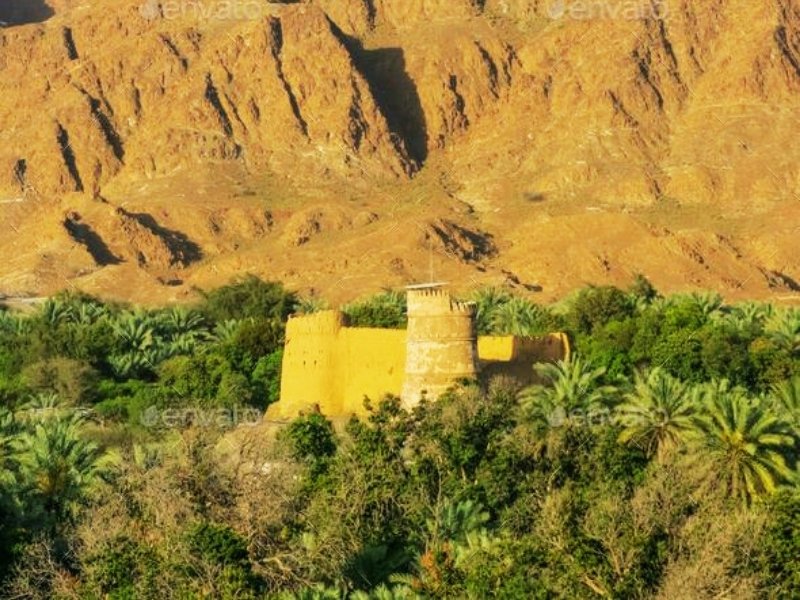
Fujairah Fort rises on a small hill near date gardens and the older part of the city. Its earth-coloured walls and irregular group of towers look especially striking against the Hajar Mountains. The fort served defensive, residential and community purposes during different periods.
Walk through the courtyard and restored rooms, then look across the surrounding heritage area from permitted viewpoints. Staircases and surfaces can be uneven, so wear flat shoes and supervise children. Opening hours may change for maintenance, Ramadan or public holidays.
Photographers often prefer early morning or late afternoon because the lower light adds texture to the walls. Avoid climbing barriers or entering closed areas for a wider image.
2. Visit Fujairah Museum
The museum is close to the fort and helps explain what visitors see around the emirate. Its archaeological and heritage displays include pottery, coins, jewellery, weapons, farming objects and material recovered from sites across Fujairah.
The collection connects coastal fishing, mountain agriculture, trade and domestic life. Spend time reading labels rather than treating the museum only as a way to escape the heat. Timings may include a midday closure or different weekend pattern, so confirm before driving there.
3. Walk Through the Heritage Village
Fujairah Heritage Village presents traditional houses, fishing boats, tools and working methods associated with earlier local life. Displays help visitors understand how palm fronds, stone, clay and available water shaped homes and occupations.
The village and fort are natural companions, but they should not be confused with Hatta Heritage Village or heritage areas in Dubai. Each represents a different landscape and community history.
4. See Al Bidya Mosque
Al Bidya Mosque stands north of Fujairah city near the road to Dibba. Fujairah Tourism describes it as the UAE’s oldest existing mosque and reports scientific dating to approximately 1599. Its compact form uses a central column to support four domes without timber roof beams.
The mosque remains a religious place. Dress modestly, remove shoes when required, keep voices low and avoid interrupting prayers. Visitor access and hours can change, so follow the signs and instructions at the site.
Watchtowers and archaeological remains on the hill add context, but the climb may be hot and uneven. Carry water and avoid the steep path during the strongest summer sun.
5. Admire Sheikh Zayed Grand Mosque Fujairah
The large white mosque is a major landmark in Fujairah city and should not be confused with Sheikh Zayed Grand Mosque in Abu Dhabi. Its domes, minarets and scale create an impressive exterior view.
Non-worshipper access, tour availability and photography arrangements can vary. Confirm current rules before arriving, dress respectfully and never enter a prayer space simply because a door is open.
6. Discover Al Hayl Fort and Village
Al Hayl lies inland among rocky valleys and was historically connected with the ruling family. The setting reveals how fortifications and settlements used elevated ground, springs and mountain routes.
Road conditions, restoration and access can change. A suitable vehicle or guided visit may be preferable, and visitors should not enter private land or unmarked structures.
7. Stop at Al Bithnah Fort
Al Bithnah Fort stands along a historic route through the mountains. It helped guard a strategic passage between the coast and interior. The fort makes sense within a scenic road trip rather than as an isolated building.
Confirm that it is open before adding a special detour. Some heritage sites occasionally close for restoration or operate without the same daily visitor services as a large museum.
8. Browse the Friday Market
The market commonly called Friday Market operates along the road in the Masafi area and is not limited to Friday. Shops sell fruit, plants, carpets, pottery, souvenirs and household goods. It can provide a colourful break during the drive.
Compare quality and prices, bargain politely when appropriate and check the origin of items described as local. Keep children away from the road because traffic moves quickly near the shops.
Beaches and Water Activities in Fujairah
9. Relax at Al Aqah Beach
Al Aqah is one of Fujairah’s main resort areas, with mountain views and direct access to the Gulf of Oman. Some sections belong to hotels, while other coastal areas may have public access. A beach visible from the road is not automatically open for parking, swimming or picnics.
Ask about day passes if you want resort facilities without staying overnight. Beach conditions vary with wind, waves and currents, and lifeguard instructions must be followed.
10. See Snoopy Island
Snoopy Island is a small rocky island off the Al Aqah coast, named because its outline is said to resemble the cartoon character lying on his back. The surrounding water is popular for swimming, snorkelling, kayaking and diving through local operators.
The island itself is best treated as a natural marine site, not a guaranteed wildlife park. Visibility and animal sightings depend on sea conditions and season. Use an authorised access point and never swim beyond your ability because a distance that looks short from shore can feel very different in moving water.
11. Try Snorkelling
Snorkelling gives visitors a surface-level view of fish, turtles and rocky reef habitats without the training required for scuba diving. A guided Fujairah snorkelling experience can include equipment and boat support, but wildlife sightings are never guaranteed.
Check minimum age, swimming ability, medical restrictions and whether transfers are included. Wear a correctly fitted life jacket when required, avoid touching coral or animals and do not feed marine life unless an authorised conservation professional specifically permits an activity.
12. Go Scuba Diving
Fujairah is one of the UAE’s leading scuba destinations because its Gulf of Oman location offers rocky reefs, varied marine life and access to several coastal dive sites. Beginners may join a supervised discovery programme, while certified divers can choose trips that match their qualification and logged experience.
A Fujairah scuba-diving package should clearly state whether it is for beginners or certified divers, the number of dives, equipment, transport, insurance and instructor support. Do not choose a dive only by depth or the promise of turtles.
Sea conditions determine the site. The operator may change or cancel the dive because of visibility, wind or currents. Disclose medical conditions, recent surgery, pregnancy and medication before payment and follow recognised no-fly intervals after diving.
13. Choose a Full-Day Dive Package
Travellers who want transport, water activities and a meal in one plan can compare the live inclusions for a scuba-diving experience with BBQ lunch. Confirm whether the selected option is designed for beginners or certified divers, and never exaggerate experience to enter a site beyond your training.
14. Experience Night Diving
Night diving reveals different animal behaviour and requires stronger buoyancy, communication and light-management skills. It is not simply the same daytime route after sunset. A Fujairah night-diving experience should be booked only after confirming certification, recent dive history and the operator’s conditions.
A tour name mentioning turtles does not guarantee a turtle sighting. Divers must avoid chasing, touching or blocking an animal’s path.
15. Take a Fujairah Fishing Trip
Fishing trips travel into Gulf of Oman waters with a local captain, equipment and safety briefing. Depending on the season and method, anglers may target different species, but no responsible operator guarantees a catch.
The Fujairah fishing trip page should be checked for duration, boat capacity, included permits, equipment, refreshments and meeting point. Ask about catch-and-release practices and current fishing rules.
16. Enjoy a Boat Trip Without Diving
Visitors who do not want to enter the water can still enjoy mountain and coastal views from an authorised boat tour. Choose a vessel that provides life jackets, shade where possible and clear passenger limits. Sea sickness tablets should be discussed with a doctor or pharmacist before use.
17. Try Kayaking or Paddle Sports
Kayaks and paddleboards may be available through beach resorts or activity operators. Stay within the marked area, wear a buoyancy aid and check wind before leaving shore. Offshore wind can make the return much harder than the outward journey.
Mountains, Wadis and Nature Experiences
18. Drive Through the Hajar Mountains
The road to Fujairah crosses or passes close to the Hajar Mountains. Rocky ridges, quarry areas, farms and wadis replace the flat urban landscape. Use designated viewpoints rather than stopping on a bend or road shoulder.
The mountains can look dry, but rain changes wadis quickly. Never enter floodwater or ignore a closed road. UAE weather alerts and police directions take priority over a planned scenic stop.
19. Understand Wadi Wurayah Access
Wadi Wurayah is an important protected mountain environment known for biodiversity and freshwater features. It is not an unrestricted picnic area. Conservation rules and public access can change, and some zones may require permits, approved guides or remain closed.
Check directly with the responsible Fujairah authority before planning a visit. Do not follow an old blog that gives directions to a swimming pool or waterfall without current permission.
20. Choose Guided Hiking
Fujairah’s mountain terrain offers rewarding views but includes sharp rock, loose surfaces, heat and limited shade. Regulations for guided adventure activities have become more structured, so use an approved guide and authorised route.
Carry more water than a city walk requires, wear hiking shoes and tell someone the route. Start early, turn back before exhaustion and avoid entering wadis when rain is forecast anywhere in the catchment.
21. Visit Ain Al Madhab and Nearby Parks
The Madhab area is associated with springs, gardens and family recreation. Facilities and pool access can change, so check the current municipal listing rather than expecting a natural hot-spring resort.
Parks offer a slower alternative after forts or mountain driving. Follow picnic and barbecue rules, supervise children and remove all waste.
22. Compare Fujairah With Hatta
Both destinations feature the Hajar Mountains, but they offer different experiences. A Hatta mountain tour focuses on Hatta Dam, kayaking and Dubai’s mountain exclave, while Fujairah adds the Gulf of Oman coast, beaches, diving and a separate group of forts.
Best Time to Visit Fujairah
October to April is the most comfortable period for forts, markets, hiking and beach days. Winter weekends attract residents from across the UAE, so resorts, roads and marine activities can become busy.
May, September and early October can be warm but workable with an early start. June through August is hot and humid on the coast. Summer trips should use mornings for outdoor activity, include indoor or shaded breaks and avoid exposed midday hiking.
When Is the Best Time for Diving?
Diving and snorkelling can operate across much of the year, subject to the provider and sea conditions. Water temperature, visibility and marine sightings vary. A calm-looking beach does not prove that an offshore site is suitable.
Ask the dive centre about recent visibility, expected temperature and suitable exposure protection. The best day is the one that matches your qualification and safe conditions, not simply a particular month promoted online.
How to Reach Fujairah From Dubai
Road travel commonly takes around 90 minutes to two hours, but the exact time depends on the Dubai pickup area and whether you are going to Fujairah city, Al Aqah or Dibba. Weekend traffic and mountain-road incidents can add delays.
Self-Drive
A car provides flexibility for forts, beaches and coastal stops. Use live navigation, begin with enough fuel and avoid unplanned off-road routes. If returning after diving or a long boat trip, make sure the driver is rested.
Bus and Local Transport
Intercity buses connect parts of the UAE with Fujairah, but local attractions are spread out. Taxis or pre-arranged transport may still be required after reaching the city. A public-transport day needs more time and careful timetable checks.
Guided Tour or Private Transfer
A guided tour is useful for travellers who want several sightseeing stops without driving. A private vehicle offers more flexibility for families and photography. Ask whether the driver is a guide, how much time is allowed at each place and whether beach or activity tickets are separate.
Where to Stay
Fujairah city suits travellers focused on forts, the museum, mosque, Corniche and local restaurants. Al Aqah and Dibba areas suit beach resorts, diving and a slower coastal stay. A lower hotel price in the city may be less convenient when every planned activity leaves from a northern marina.
Check private-beach access, breakfast, pool rules, room occupancy, tourism fees and transport before booking. During summer, confirm whether outdoor facilities operate normally.
One-Day Fujairah Itinerary From Dubai
- 7:00 AM: Leave Dubai and enjoy the changing mountain scenery.
- 9:00 AM: Visit Al Bidya Mosque and the surrounding heritage site.
- 10:30 AM: Continue to Al Aqah for a beach, snorkelling or boat activity.
- 1:00 PM: Take lunch and a cooling indoor break.
- 2:30 PM: Drive to Fujairah city for the fort, museum or heritage village.
- 5:00 PM: Visit the Corniche or begin the return before driver fatigue.
This example depends on current opening times. A full scuba-diving programme should replace several sightseeing stops rather than being squeezed into the same schedule.
Heritage-Focused Day
Begin at Al Bidya Mosque, then visit Fujairah Fort, the museum and Heritage Village. Add Al Hayl or Al Bithnah only after confirming access and road time. Finish at the Corniche or a local restaurant.
Marine-Adventure Day
Travel directly to the confirmed dive or snorkelling centre, complete registration and allow the operator to choose a safe site. After the activity, have lunch and rest before one light cultural stop. Do not place a mountain hike after diving.
Relaxed Family Day
Families can choose Al Bidya Mosque, a short beach visit, lunch, the museum and a park. Select a stable boat or beginner snorkelling programme only when every participant meets the rules. Carry spare clothes, hats, water and simple snacks.
Two-Day Fujairah Weekend
On the first day, focus on heritage sites and Fujairah city. Stay at a city or beach hotel. Use the second morning for a booked marine activity, then enjoy lunch and return to Dubai without rushing.
Photography Plan
Use soft morning light at Al Bidya and the coast, then late-afternoon light at Fujairah Fort. Ask permission before photographing people and follow restrictions at mosques, government buildings, ports and security locations. Drone use requires current authorisation and may be restricted near airports, borders and protected areas.
What to Wear in Fujairah
Wear light, breathable clothing for sightseeing and carry a layer for air conditioning. Use respectful clothing at mosques and heritage sites; shoulders and knees should be covered, and women may need a head covering inside a mosque.
Bring swimwear for an authorised beach or boat, but change or cover up before visiting town, a restaurant or religious place. Closed shoes are better for forts and rocky paths.
What to Pack
- Passport or Emirates ID when required by the operator
- Water, sunscreen, sunglasses and hat
- Comfortable closed walking shoes
- Swimwear, towel and dry change of clothes
- Secure waterproof phone pouch
- Prescribed medicine and basic first-aid items
- Power bank and offline map
- Proof of diving certification when applicable
Sea and Diving Safety
Use licensed operators, wear life jackets and listen to crew. Never enter rough water because the activity has already been paid. Strong currents and changing visibility may not be obvious from shore.
Scuba participants must disclose health issues and complete the operator’s medical process. Flying, altitude and strenuous activity after diving require careful timing under recognised dive guidance.
Mountain and Wadi Safety
Use approved routes and guides, especially when regulations require them. Carry water, avoid midday heat and leave a route before darkness. Never enter a wadi during rain or after an official warning.
Respect the Environment
- Do not touch coral, turtles or other marine animals.
- Use reef-conscious sun protection where appropriate.
- Take every item of waste back from beaches and wadis.
- Stay away from nesting or protected areas.
- Do not collect shells, coral or archaeological material.
- Support licensed local guides and responsible operators.
Common Fujairah Planning Mistakes
Calling every East Coast stop Fujairah
Khorfakkan belongs to Sharjah. Check the map and allocate travel time even when both places appear in one tour.
Trying to dive and complete a full sightseeing tour
Registration, briefing, boat travel and recovery take time. Let the marine activity be the main event.
Assuming wildlife is guaranteed
Turtles, rays and fish move naturally. Choose an experience for the habitat, not a promised encounter.
Entering a protected wadi from an old map
Access rules can change. Confirm permits and closures with the official authority.
Booking the wrong hotel area
Fujairah city, Al Aqah and Dibba are separate bases. Match the hotel to the activity meeting point.
Underestimating summer heat
Use early outdoor stops, rest at midday and carry enough water. Mountain rock and beaches offer limited shade.
Frequently Asked Questions About Fujairah
Q: Is Fujairah worth visiting?
Answer: Yes. Fujairah combines Gulf of Oman beaches, Hajar Mountain scenery, historic forts, Al Bidya Mosque, diving, snorkelling and quieter coastal resorts.
Q: How far is Fujairah from Dubai?
Answer: Road travel commonly takes around 90 minutes to two hours. The time depends on your Dubai starting point and whether the destination is Fujairah city, Al Aqah or Dibba.
Q: Is Khorfakkan part of Fujairah?
Answer: No. Khorfakkan is part of the Emirate of Sharjah, although it is surrounded by Fujairah territory and commonly included in East Coast tours.
Q: What is Fujairah best known for?
Answer: It is known for the Hajar Mountains, Gulf of Oman coastline, beaches, diving, Al Bidya Mosque, Fujairah Fort and archaeological heritage.
Q: Can I visit Fujairah in one day?
Answer: Yes. A full day is enough for selected heritage and coastal stops. Stay overnight if you want a complete dive trip and relaxed sightseeing.
Q: What is the best time to visit Fujairah?
Answer: October to April is best for comfortable outdoor sightseeing. Marine activities operate according to the provider and daily sea conditions.
Q: Do beginners need certification to try scuba diving?
Answer: A supervised discovery programme may accept beginners without certification. Certified dive sites and advanced programmes require the appropriate qualification and experience.
Q: Are turtles guaranteed during snorkelling?
Answer: No. Turtles are wild animals, and sightings depend on location, season and sea conditions. Responsible operators never guarantee a particular animal.
Q: Can non-Muslims visit Al Bidya Mosque?
Answer: Visitor access may be allowed under current site rules. Dress modestly, avoid prayer times and follow all instructions at the mosque.
Q: Is Wadi Wurayah open to everyone?
Answer: Do not assume open access. Wadi Wurayah is protected, and permits, guides or closures may apply. Check with the responsible Fujairah authority.
Q: Is Fujairah suitable for families?
Answer: Yes. Families can enjoy beaches, the museum, heritage sites, parks and age-appropriate boat or snorkelling programmes.
Q: Should I book an East Coast tour in advance?
Answer: Advance booking is recommended for transport, diving, snorkelling, fishing and resort stays. Confirm the exact stops and inclusions before payment.
Final Thoughts: Discover Fujairah Beyond a Quick Beach Stop
Fujairah deserves more than a photograph through a car window. Its forts and mosque explain centuries of settlement, the mountains shape every road, and the Gulf of Oman opens a different marine environment from the UAE’s western coast.
Choose one main theme for the day. Heritage travellers can connect Al Bidya, the fort and museum. Water lovers can give the morning to snorkelling, diving or fishing. Families can combine a beach with a small number of cultural stops.
With accurate mapping, current opening checks and respect for protected land and marine life, Fujairah becomes one of the UAE’s most rewarding escapes from the city.