
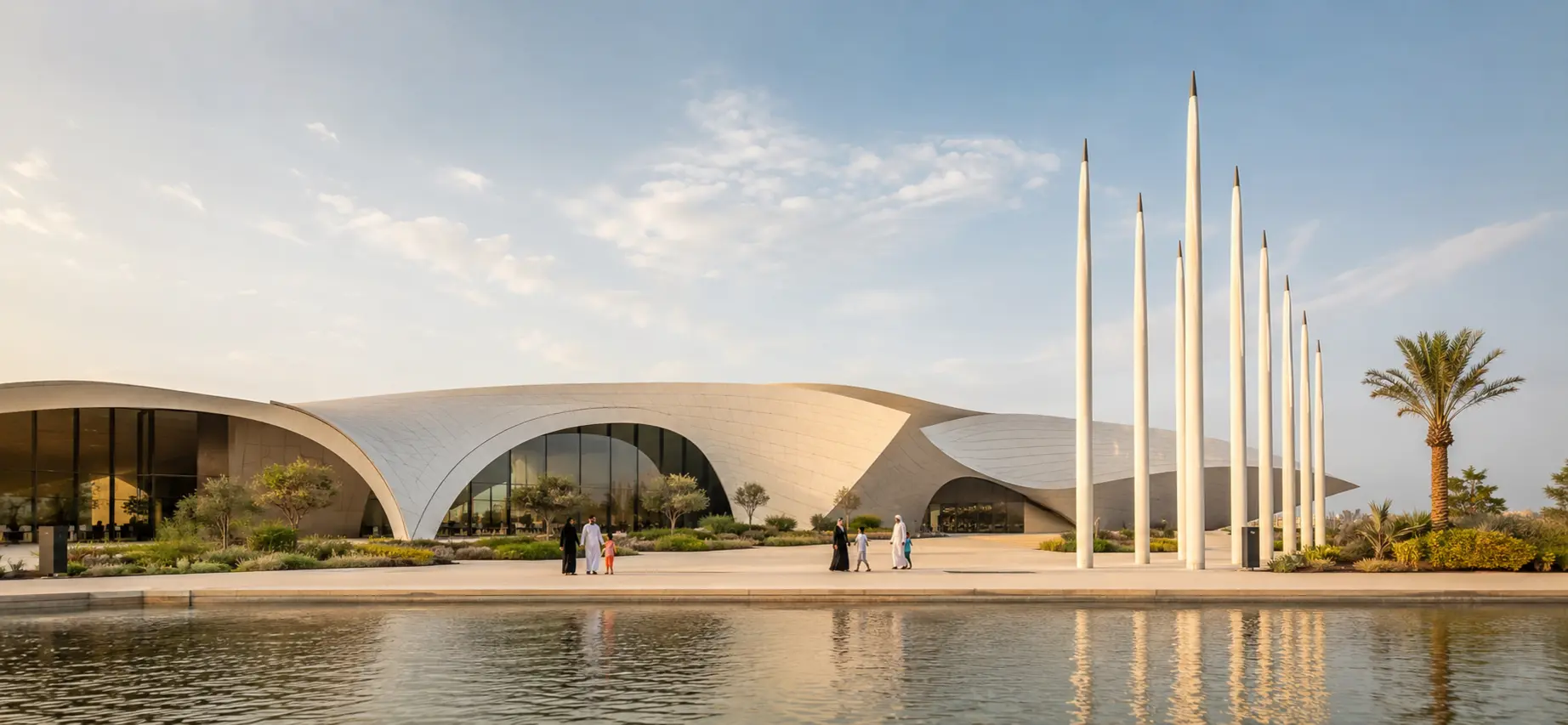
Dubai’s history is not one single story. You may want to understand how the United Arab Emirates came together, or you may be curious about the families, trade and traditions connected with Dubai Creek. Etihad Museum and Al Shindagha Museum approach history from different directions, which makes choosing between them easier once you know what you want to discover.
This guide compares the purpose and practical shape of each visit. It helps you choose a museum for a short holiday, arrange a family history day and decide whether seeing both is worth the extra time. You do not need to be a history expert. A few clear interests and a comfortable plan are enough to get much more from the experience.
Start with the question you want answered
Etihad Museum is the natural starting point for the story of the UAE’s formation and Union. Its subject is the country coming together. Al Shindagha Museum introduces Dubai’s heritage through themes connected with the Creek, everyday life and cultural traditions. These interests overlap, but they are not identical.
Ask yourself what you would like to explain to someone after the visit. If the answer is how the Union developed, begin with Etihad. If it is how people lived and traded around the Creek, look at Al Shindagha. A clear question gives the visit a purpose and helps you choose which displays deserve your attention.
You do not need to choose the more famous name
A useful museum choice matches your curiosity rather than a ranking. Someone who enjoys understanding political history may prefer one route, while a visitor interested in homes, fragrances and daily life may connect more with another. Let your interests lead, then check tickets and transport for the option that fits.
Etihad Museum: follow the story of the Union
Government cultural information describes Etihad Museum using material such as documents, historical objects, a timeline and a film connected with the Union story. Plan to follow the sequence rather than rushing from one picture to another. Even a small amount of attention to the order of events can make the displays easier to understand.
Before visiting, give everyone a simple introduction: this museum helps explain how the country came together. You do not have to memorise dates at home. Instead, bring one question about the process, the people or the decisions involved. Look for the answer as you move through the museum and ask staff where to find relevant information if needed.
Separate the building from the museum visit
The exterior can be an interesting part of the outing, but a photograph outside is not the same as exploring the museum. If the historical subject matters to you, choose admission and allow time for the inside. If you are on a city tour, ask whether the stop includes entry or only a view of the building.
Al Shindagha Museum: explore life around the Creek
Visit Dubai highlights Al Shindagha’s Dubai Creek: Birth of a City experience and Perfume House. These provide different ways to approach heritage: the development of the city through its waterway, and traditions connected with fragrance. Use the current museum information to select the themes you want to explore instead of assuming every visitor should follow the same list.
Think about the relationship between a home, a street and a wider trading city. A heritage museum can help you notice how everyday choices connect with larger changes. If your family has already walked by the Creek, the museum may give context to the water, buildings and movement you saw outside.
Plan for a heritage district experience
Al Shindagha is a different visit from one continuous indoor gallery in a single room. Look at the current map and the visitor areas included in the ticket. Consider the movement between places, the weather and the pace of the group. Ask about the route before arrival if walking or outdoor transitions are important concerns.
Compare subjects before comparing admission prices
A lower ticket total does not tell you which museum answers your question. First decide what interests you, then compare the current ticket for the relevant guest categories. Older service brochures and partner offers can show different amounts. Use the selected product’s final total and conditions rather than mixing figures from different years or sales channels.
For a family, ask about the category that applies to each child or student and what evidence is needed where a concession is claimed. Do not assume one museum’s category works at another. If someone may qualify for another admission arrangement, check the current eligibility and documentation before planning the budget around it.
Use a simple comparison
| Your main interest | Starting choice | What to check |
|---|---|---|
| The UAE’s formation and Union | Etihad Museum | Current entry, visitor programme and enough gallery time |
| Dubai Creek and cultural heritage | Al Shindagha Museum | Included houses, map and a comfortable route |
| Both themes in depth | Two separate visits or a carefully planned day | Transfer, meals, ticket validity and the group’s pace |
This table is a way to begin choosing, not a claim that everyone must enjoy the same museum. The best answer depends on the question your group brings.
Choose a location that supports the rest of your day
Al Shindagha fits naturally into planning around the Creek heritage area. Etihad is a separate destination, so use its exact location when arranging transport. Do not treat both museums as neighbouring stops simply because they appear in the same Dubai culture list. The journey between them belongs on the calendar.
If you are based elsewhere in the city, compare a realistic hotel-to-museum route for each option. A museum that fits the district you already want to explore may create a calmer day than crossing the city twice. On the other hand, a subject that strongly interests you may be worth planning a dedicated trip around.
Check the actual entrances
Set your navigation to the current visitor entrance or ticket point, not just a general district pin. If a ticket requires voucher exchange, read where that happens. Keep the instruction with your admission documents. A few minutes checking the arrival process can prevent unnecessary walking before the visit has even started.
Make an Old Dubai day around one main museum
If you choose Al Shindagha, give the museum its own place in the day before adding a walk or a souk visit. Choose a manageable route with a meal and a clear return. Do not assume the word heritage makes every district close enough to walk between comfortably. Look at the actual connections and decide where transport is helpful.
Our Al Fahidi walking guide introduces another historic neighbourhood, while the Creek abra guide explains a separate transport experience. Use these to understand the wider area, then build a route that suits your energy. Neither replaces the admission instructions for Al Shindagha Museum.
Keep one optional stop genuinely optional
An extra café or short waterfront pause can add something pleasant after the museum. A second large attraction can change the day entirely. Leave yourself permission to skip the extra if the first visit takes longer or someone needs a rest. That flexibility helps you enjoy history without watching the clock constantly.
Give Etihad a focused visit
When Etihad is your main choice, plan around the historical story rather than treating it as an add-on to an unrelated shopping route. Give yourself time to read a selection of displays and notice how the information connects. A museum visit becomes more satisfying when you can explain one idea afterwards instead of remembering only the building.
If a guided programme would help you, check the current schedule, language and booking conditions. Do not assume a guide is included in all admission products or appears whenever you arrive. If visiting independently, ask what orientation material is available and choose the sections that best answer your initial question.
Choose a pause after the museum
A meal or quiet break afterwards gives the group time to talk about what it learned. You might each name one thing that surprised you or one question that remains. This is a simple way to make the visit personal without requiring anyone to remember every detail of a timeline.
Can you visit both museums in one day?
You can consider both when the subjects interest you and the current opening arrangements, travel and pace allow comfortable time. Start by outlining two actual visits and the transfer between them. Add lunch and the return journey. If the resulting day looks rushed, separate them or choose the one that matters more.
A combined product, if offered, may help with admission planning, but it does not remove the journey or guarantee that one schedule suits every family. Read its validity, included access and any reservation instructions. Make sure you understand whether the two visits must occur on a particular date or within a broader period.
Do not make both museums compete for your attention
If you feel pressured to leave the first museum just as it becomes interesting, the plan may be too full. It is acceptable to choose one subject deeply. A second museum can be a reason for another visit rather than an unfinished task. Quality of attention is more useful than collecting two entrances in the same afternoon.
Help children find a small story
Choose one simple question for each child. At a Union-focused museum, it might be what a group of places can do together. At a heritage museum, it might be how a home or a familiar everyday task looked different in the past. Keep the language simple and let the child notice something before you explain everything.
Interactive features can help, but they are not a substitute for shared conversation. Ask what the child thinks a display is showing and read a short section together. Avoid making every stop a quiz. A child who remembers one clear idea and enjoyed exploring has gained something worthwhile from the visit.
Prepare for the museum environment
Explain that galleries have rules about touching, food and movement. Follow current signs and staff instructions, and keep children accompanied. Plan breaks before tiredness turns curiosity into frustration. A shorter family visit with one favourite theme can work better than insisting on every available house or gallery.
Check access and walking needs specifically
If someone needs step-free access, regular seating or a mobility aid, ask about the intended route rather than only the attraction’s general accessibility label. For Al Shindagha, ask about movement between the areas you want to visit. For Etihad, ask about the current visitor route and any guided arrangement you plan to use.
Tell the transport provider about requirements affecting the vehicle or drop-off as well. Reaching the museum and moving inside it are separate parts of the day. Keep confirmed assistance arrangements in writing and share them with the people travelling together, so the plan does not depend on last-minute assumptions.
Let the slowest traveller help set the pace
It is easier to enjoy the displays when nobody feels left behind. Agree on a manageable route and a point to review how everyone feels. If some people want to continue longer, choose a clear meeting arrangement and an appropriate place for the others to wait. Do not assume staff can provide personal supervision.
Carry a small, practical museum bag
Keep admission files, your phone and anything permitted that your group needs for the outing. Check the venue’s current bag and food rules before travelling. A heavy sightseeing bag can make a heritage route less comfortable, especially if one adult is also helping children. Leave unnecessary luggage at your accommodation when you can arrange that appropriately.
If you like taking notes or sketching, check the museum’s permitted materials rather than assuming all stationery is acceptable. Follow instructions around displays and use only allowed areas for eating or drinking. These small preparations help you spend the visit exploring instead of finding out that something in the bag needs another arrangement.
Keep ticket documents separate from ideas
A saved page about a museum is not admission. Make sure the person leading the group has the actual usable ticket or voucher and knows whether exchange is required. Keep the date, visitor category and entry instructions easy to find, alongside any confirmed tour or transport details.
Take photographs without losing the visit
Follow the current photography policy and any signs in individual areas. Personal photographs, commercial use and special equipment may have different requirements, so ask when your purpose goes beyond an ordinary family visit. Stay considerate of people reading or moving nearby and avoid obstructing narrow routes to repeat a picture.
Try choosing a few images that connect with the story you came to understand. One exterior, one permitted detail and one family memory may be enough. Looking at a display carefully before photographing it can help you remember why it interested you. A phone full of images is less useful if you cannot recall what they meant.
Keep a clear budget for the history day
Use the final admission price for your date and categories, then add transport and meals. Include any specifically chosen guided service if it is charged separately. Keep souvenirs optional. This gives you a meaningful comparison between one museum, both museums and a guided city itinerary that includes admission.
A general city-tour title should not be treated as proof that museum entry is included. Ask for the museum name, actual access and time allowed inside. Our Dubai city tour page is a starting point for an itinerary enquiry; the final route and inclusions need to match the visit you want.
Send a museum enquiry with the right details
Use the Etihad Museum ticket page or Al Shindagha Museum page and state your visit date, guest details and whether you need transport or a guided arrangement. Ask for current access, the final total, document requirements and change conditions.
For a closer introduction to one option, read the Etihad Museum visit guide. After comparing, write your choice in one sentence: We are visiting this museum to understand this part of history. That little statement helps you keep the day focused when more sightseeing ideas appear.
A simple way to remember what you learned
After the visit, each traveller can finish one sentence: I used to think this, and now I understand this. The answer can be small. Perhaps a child notices how a waterway shaped daily life, or an adult understands the order of events in the Union story more clearly. You do not need to agree on the same favourite display.
Keep those thoughts beside a few photographs or notes. They create a personal record that is more meaningful than a checklist of rooms. They can also help you decide whether your next cultural visit should explore another part of Dubai’s heritage or the wider history of the UAE.
Frequently asked questions
What is the main difference between Etihad Museum and Al Shindagha Museum?
Etihad Museum focuses on the story of the UAE’s formation and Union. Al Shindagha explores Dubai’s heritage, including life around the Creek and cultural traditions. Choose the historical question that interests your group most, then check how each venue fits your route and available time.
Are the two museums in the same building?
No. They are separate destinations in different parts of Dubai. Plan a journey between them if you want both. Do not treat a combined ticket or a general museum description as proof that they are neighbouring galleries reached through one entrance.
Which museum fits an Old Dubai day?
Al Shindagha is in the Dubai Creek heritage area, so it is the more natural starting point for a route centred on that district. Check actual walking connections and transport before adding other stops. Keep time for the museum itself rather than using it only as a brief pause between souks.
Which museum should I choose for the story of the Union?
Etihad Museum is the clearer starting point for that interest. Plan to follow the historical story and look at the displays rather than visiting only for an exterior photograph. If a guided service matters to you, check its current availability, language and whether it is included.
Can children enjoy these museums?
They can when the visit is matched to their interests and attention span. Choose a few themes, use simple questions and allow pauses. Interactive displays are useful, but they do not remove the need for adult involvement or turn every part of a museum into a play area.
Should I buy a ticket to both?
Consider both if the different themes interest you and your calendar allows comfortable visits. Check any combined product’s actual access, validity and visit conditions. If time is limited, choosing one museum properly can be more rewarding than rushing through two.
Is a walk around a heritage district the same as museum admission?
No. Exploring public streets and entering paid museum spaces are separate activities. Check the ticketed areas and admission instructions for Al Shindagha, and do not assume that visiting another Old Dubai neighbourhood automatically includes museum access.
Can I rely on an old museum price list?
Use the current selected ticket and guest category. Older brochures, counters and partner offers may show different amounts or conditions. Confirm the final total, eligibility and any required proof before paying rather than treating every published figure as the same live product.
What should I ask about access?
Describe the actual requirement, such as step-free routes, walking distance, regular seating or use of a mobility aid. Ask about the intended visitor areas and any transfer between them. A general accessibility label may not answer every question about a particular route.
What is the simplest way to plan a first history visit?
Choose one main question, pick the museum that answers it, confirm the entry arrangement and give the visit an unhurried block of time. Add a meal and one nearby optional stop only when the route works. Keep a clear journey back to your hotel.
Check current museum information
Use the government Etihad Museum cultural information and Visit Dubai Al Shindagha overview as starting points, then confirm current visitor arrangements and ticket terms. This comparison was reviewed on 27 October 2026. Your selected admission and each museum’s current instructions govern the visit.